




Long before artificial reefs were carefully planned and deployed, Florida’s coastline was mapped by nature itself. In 1856 a detailed nautical chart traced the line of reefs stretching from Key Biscayne to Pickles Reef, capturing a living underwater landscape so vast and complex that it guided ships navigating the Florida Keys. These reefs were not just hazards to avoid, they were thriving ecosystems dense with coral formations that supported an incredible abundance of marine life. 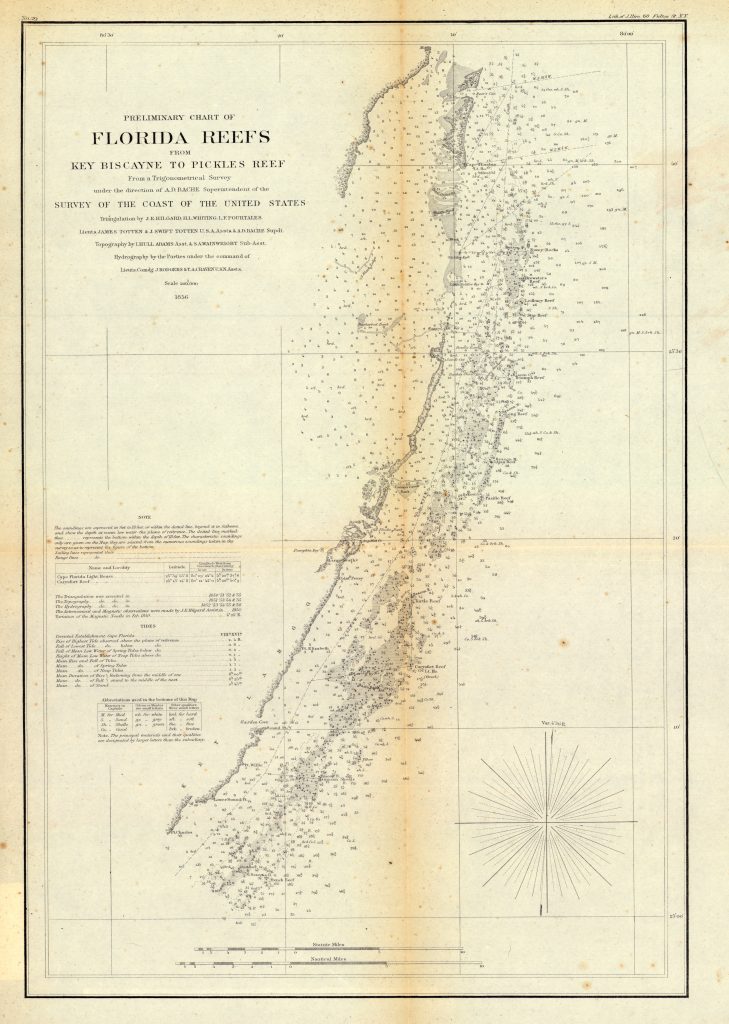
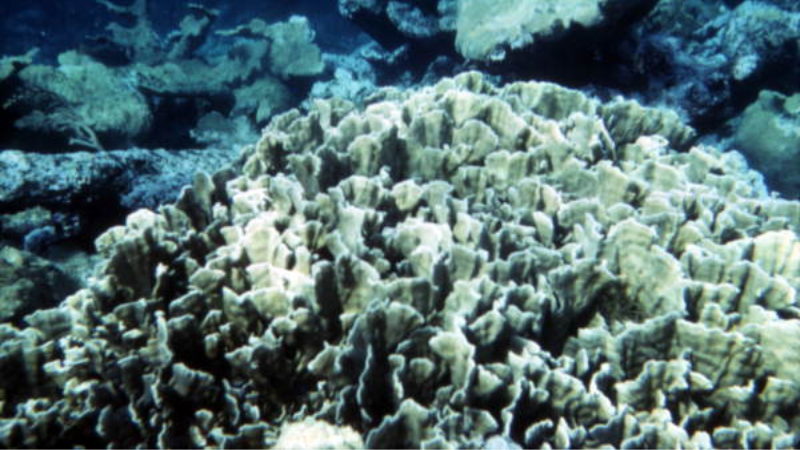
Beneath the surface, coral colonies formed natural cities. Fish of all sizes found shelter among their branches, from tiny juveniles to large predators. These reefs acted as nurseries, feeding grounds, and protective barriers all at once. Early fishermen and sailors may not have fully understood the science, but they understood the outcome. Where there was structure, there were fish.
By the mid 20th century, more people were beginning to experience these ecosystems firsthand. Advances in diving and snorkeling opened a window into Florida’s underwater world, revealing coral formations and marine life that had taken centuries to build. These reefs became destinations, drawing explorers, anglers, and tourists eager to experience the richness just beneath the surface. They were not only ecologically important, they were central to Florida’s culture and coastal economy.
But over time that abundance began to fade. Florida’s Coral Reef has lost nearly 90 percent of its coral in recent decades, a decline driven by warming waters, disease, pollution, and increasing human pressure. The intricate structures that once supported entire food webs began to break down, leaving fewer places for marine life to thrive.
Even as natural reefs declined, a new pattern began to emerge beneath the surface. Ships that sank off Florida’s coast often transformed into unexpected havens for marine life. Over time their surfaces became coated with algae, sponges, and coral, attracting fish and creating thriving underwater habitats where none had existed before.
Divers exploring these wrecks began to notice something important. Life returns wherever structure exists. Metal beams, hulls, and debris become the foundation for new ecosystems, echoing the role once played by natural reefs. What began as chance revealed a powerful truth that could be applied intentionally.
Florida’s first artificial reefs followed this example. Early efforts used materials like concrete, old ships, and other durable structures to mimic the complexity of natural habitats. Over time, reef design became more advanced, focusing on how to support marine life at every stage, from juvenile fish seeking shelter to larger species gathering along the edges.
Today, the story of Florida’s Coral Reef is one of both loss and innovation. The same waters once mapped in the 1850s as continuous living reef systems now require thoughtful intervention to restore their function. Artificial reefs are no longer just experiments or accidents. They are carefully designed tools that can help rebuild marine ecosystems, support fisheries, and create new opportunities for divers and coastal communities.
By learning from the past, both from the natural abundance that once existed and the lessons revealed by structure in all its forms, we can shape a future where Florida’s underwater landscapes continue to thrive. You can support this work by donating to our Restoring Our Reefs fund.